By Jason Pilla
August 7, 2026
Maintaining a secure and visually appealing residential or commercial landscape requires diligent oversight, proactive property care, and professional environmental management. Large mature trees enhance curb appeal and offer welcome shade, yet hazardous or compromised timber poses severe risks to nearby buildings, utility infrastructure, and occupants. According to the U.S. Forest Service's 2024 National Insect and Disease Risk Map (NIDRM) evaluations, 66.8 million forested acres—representing 6.4% of all forests in the lower 48 states—were flagged as severe hazards, defined as carrying an expectation that 25% or more of standing live tree basal area will die over the next 15 years. Recognizing subtle warning signs of decay allows property owners to address environmental hazards before catastrophic structural failures occur on their land. Utilizing professional tree removal services serves as an essential line of defense against unexpected property destruction and dangerous personal accidents. Understanding why strategic timber extraction is critical enables property owners to protect their investments while maintaining safe outdoor surroundings for everyone.
Preventing Structural Property Damage
Unstable or decaying timber situated near residential structures poses an immediate threat to roofs, foundations, windows, and surrounding outdoor hardscapes. As massive limbs weaken or trunk cavities deteriorate internally, heavy branches can collapse suddenly under their own weight without warning. Such structural impacts often result in catastrophic roof punctures, cracked building foundations, broken window glass, and severe damage to nearby vehicles. Property owners who neglect declining timber risk facing immense emergency restoration expenses that far exceed the cost of proactive land management.
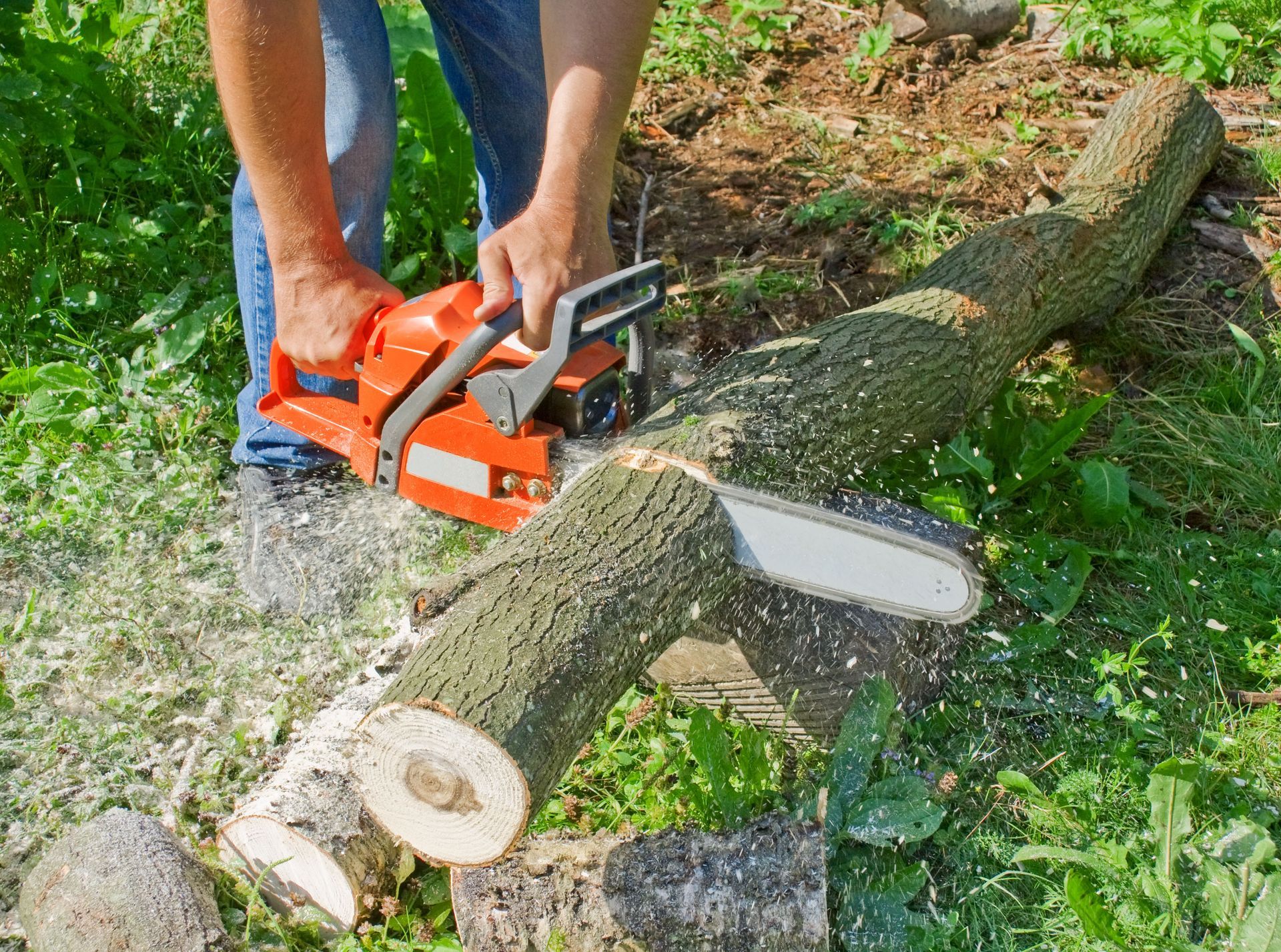
In addition to above-ground hazards, expanding root systems of compromised trees can invade underground plumbing lines, shift concrete walkways, and undermine retaining walls. Weakened roots fail to anchor the heavy canopy securely during periods of high moisture or ground shifting, increasing the likelihood of total uprooting. Engaging professional tree removal services ensures that dangerous specimens are safely extracted before extensive physical damage impacts the main structural foundation of a home. Systematic clearing of hazardous timber safeguards structural integrity while maintaining the long-term financial value of real estate assets.
Mitigating Severe Storm Hazards
Severe weather events such as high wind storms, intense rainstorms, and heavy winter ice accumulation place immense stress on mature tree canopies. Weakened trunks, dead branches, and unbalanced canopy growth make trees particularly vulnerable to breaking apart during turbulent weather. When severe storms strike populated neighborhoods, falling limbs frequently shatter nearby structures, crush parked automobiles, and tear through outdoor living spaces. Taking proactive steps before storm season arrives minimizes the potential for storm-related devastation across residential properties.
Heavy ice loading during cold winter months adds thousands of pounds of weight to delicate canopy structures, forcing structurally compromised branches to snap abruptly. Sudden branch failure during severe storms creates dangerous flying debris that threatens anyone seeking shelter nearby. Investing in professional tree removal services prior to predictable seasonal weather changes mitigates storm hazards, reducing the likelihood of emergency property destruction. Clearing high-risk timber creates a safer perimeter around buildings, helping properties withstand intense windstorms and winter ice events with minimal structural disruption.
Eliminating Dangerous Pest Infestations
Pest infestations and internal decay pathogens weaken timber from within, transforming majestic trees into fragile hollow shells over time. Invasive wood-boring insects, wood rot fungi, and systemic bacterial infections destroy structural wood fibers, rendering entire trunks structurally unsound. Affected trees often display visible indicators such as peeling bark, fungal growth around the base, hollow trunk sections, and prematurely dying foliage. Ignoring active infestations allows pathogens to spread rapidly to healthy surrounding vegetation across the local landscape.
Dead or dying trees infested with destructive insects also attract secondary pests such as termites, carpenter ants, and rodents closer to residential homes. As the internal structure of an infested tree continues to decay, the likelihood of an unexpected collapse increases exponentially. Scheduling timely tree removal services eliminates active insect breeding grounds, stopping the spread of dangerous pathogens while protecting nearby structures from secondary pest invasions. Timely extraction of diseased timber preserves the broader ecological safety and cleanliness of the outdoor environment.
Protecting Overhead Utility Lines
Trees growing in close proximity to overhead power lines, communication cables, and utility poles represent a continuous safety hazard for entire communities. Overgrown branches contacting high voltage electrical wires can trigger power outages, electrical fires, and dangerous power surges across residential neighborhoods. During high winds or severe storms, heavy limbs brushing against live utility cables create severe fire hazards and risk electrocuting anyone nearby. Municipalities and property owners must cooperate to ensure that dangerous branches remain clear of critical electrical infrastructure.
When tall or dead timber begins leaning toward utility corridors, attempting DIY trimming without specialized safety equipment creates severe life-threatening risks. Professional arborists possess specialized rigging equipment, protective gear, and certified training required to perform complex extractions safely around live utility wires. Utilizing specialized tree removal services protects utility workers, prevents widespread neighborhood power interruptions, and eliminates fire hazards caused by arcing electrical currents. Proactive clearing around electrical utility corridors ensures continuous power availability and protects human life.
Improving Outdoor Pedestrian Safety
Dead branches, unstable trunks, and decaying root systems along footpaths, driveways, and outdoor recreational spaces pose direct physical dangers to pedestrians and visitors. Falling wood debris can inflict severe head injuries, broken bones, and other traumatic physical harm on individuals walking beneath compromised canopies. Property owners hold a legal and moral responsibility to maintain safe outdoor environments, free from obvious overhead hazards that could injure guests or family members. Identifying dangerous deadwood along high-traffic walking areas prevents tragic personal injury accidents on private property.
Beyond overhead hazards, decaying stumps and exposed surface roots create hazardous tripping obstacles along lawns, sidewalks, and garden pathways. Children playing outdoors, elderly visitors, and maintenance workers navigating the grounds can easily trip over concealed root flares or decaying timber fragments. Contracting professional tree removal services removes both the overhead canopy threats and ground-level tripping obstacles, creating smooth, safe outdoor walking conditions. Ensuring clear pedestrian pathways demonstrates proactive property care while minimizing legal liability concerns for property owners.
Preserving Neighboring Landscape Health
Leaving diseased or dead timber standing on a property compromises the general health and longevity of neighboring healthy trees across the entire landscape. Fungal spores, bacterial infections, and invasive insect larvae easily migrate from dying specimens to adjacent healthy vegetation through wind, soil, and root contact. As diseased trees decline, they also consume precious soil nutrients, groundwater, and sunlight that nearby healthy plants require for optimal growth. Removing compromised timber allows remaining vegetation to thrive without competing against dying, diseased organisms.
A declining tree can also alter the natural microclimate of a garden, creating excess dampness and shade that encourages harmful mold growth on surrounding plants. Furthermore, large dead specimens detract from the aesthetic beauty of a manicured landscape, lowering general property appeal and overall land value. Utilizing expert tree removal services helps restore balance to the outdoor ecosystem, allowing healthy flora to receive abundant sunlight, air circulation, and soil nourishment. Preserving the vitality of surrounding vegetation ensures a vibrant, beautiful, and safe landscape for years to come.
Maintaining a safe, attractive, and resilient property requires proactive landscape management, vigilant risk monitoring, and timely removal of compromised timber. By preventing structural damage, mitigating storm hazards, eliminating disease threats, protecting overhead utilities, improving pedestrian safety, and preserving neighboring tree health, property owners can safeguard their land effectively. Timely extraction of hazardous trees protects valuable real estate investments, prevents costly emergency repairs, and ensures peace of mind for residents and visitors alike. For reliable, professional timber management and comprehensive property safety solutions, contact Jason Pilla Tree Specialist LLC.